

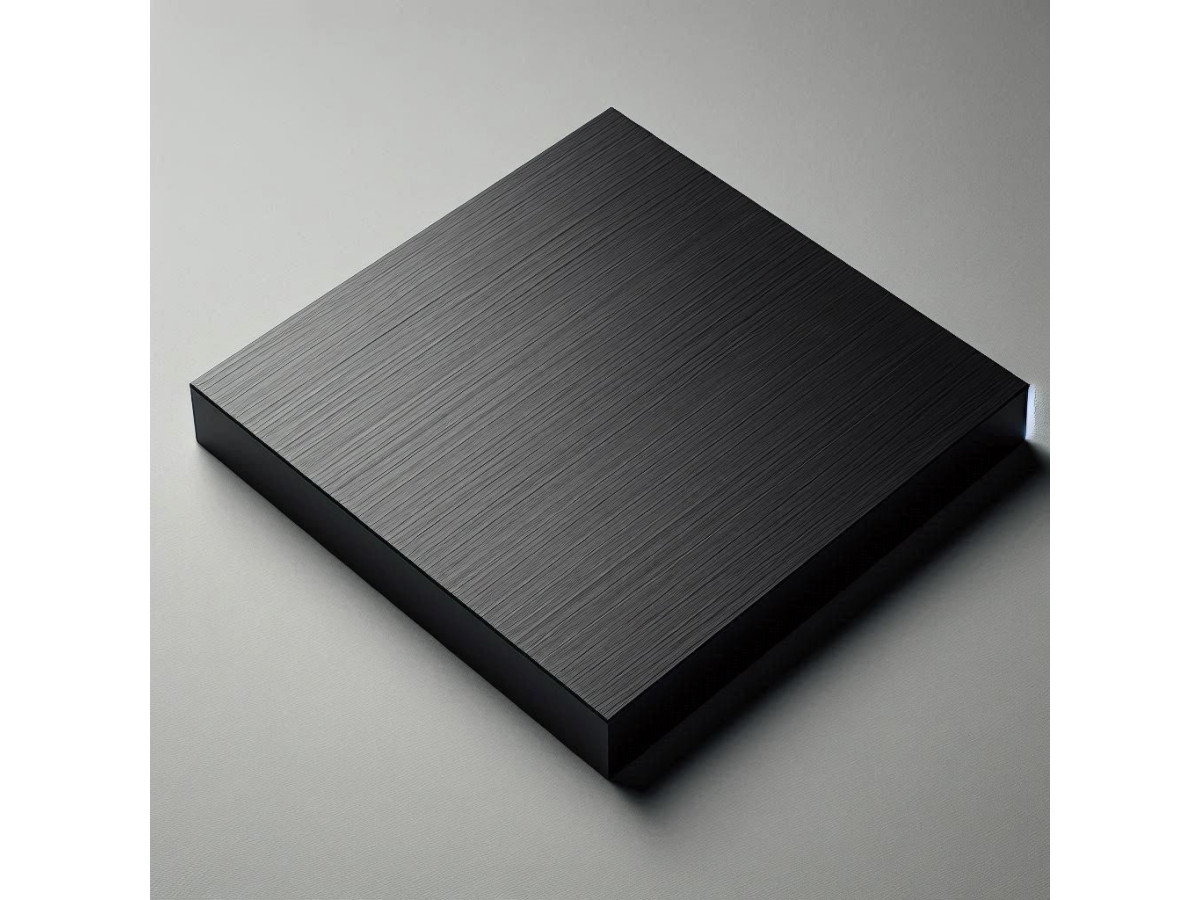
In modern technology, there are practically no simple mechanisms left; each unit consists of dozens or even hundreds, and sometimes thousands of parts that differ in geometric shape, size and functional purpose. To assemble them into a single, well-coordinated system, fasteners are needed to fix their spatial position, as well as, if necessary, to ensure a hermetic division of space into several isolated areas, seals that are inserted during installation into the gaps between the parts of the composite housings that cut off a certain volume of equipment operating on the principle of heat engines or pipeline transport lines. Depending on the design features, sealing parts can be pieces of cord of a suitable cross-section and diameter or gaskets cut from sheet material with simple ring-shaped or rather complex intricate configurations. For the manufacture of the latter, sheet-shaped gaskets are used. Paronitis and its analogues, the choice between which is made depending on future operating conditions.
This type of material has some specific properties, the combination of which allows successfully solving a number of current engineering problems. Among the most important features, it is worth considering in more detail the following:
- The basic raw material for production is cheap and accessible asbestos, the mushy mass of which with the addition of binding components is pressed into thin sheets. Energy costs for the implementation of the technological cycle are minimal, so the finished products have a low cost and a decent amount of money can be saved on their purchase.
- The material has exceptional heat resistance, so its use at very high temperatures is permissible. Even contact with an open flame does not lead to its destruction, so it easily copes with the tasks of sealing joints of chimneys and heat exchangers that come into contact with hot gaseous products of fuel combustion.
- To be able to be used at high pressures of the working environment, seals must have high mechanical strength. In order to achieve this, a metal mesh of thin wire is introduced as a reinforcing element in some grades, which takes on the main loads capable of causing tensile deformation.
Another useful property of paronite that should be mentioned is the ease of processing of blanks obtained by cutting from a single piece, with the accuracy of bringing their dimensions to tenths of a millimeter to match the dimensions specified in the drawings.
Some analogues of paronite, their features and scope of application
Paronite is not very elastic, so it does not return to its original shape after deformation, is unsuitable for units with moving parts and is valued mainly for its fire resistance. With less stringent requirements for heat resistance, it is more advantageous to use more elastic materials, one of which is technical plate from special types of rubber. It is also capable of working effectively in tropical heat and extreme northern frosts, but at the same time it is capable of serving as a sealant in movable joints and acting as a shock absorber. Its range includes the TMKSh group, whose representatives are resistant to acids and alkalis, which is extremely important for chemical industry equipment, as well as MBS, composed of samples that retain their integrity when in contact with gasoline and oils, highly valued by developers of various vehicles with internal combustion engines.
Unlike paronite and technical plates produced in sheets, the following two seals are sold in the form of cords.
Gland packing
Asbestos impregnated with antifriction lubricants is also used as a sealant gland packing. A section of cord in several turns is wound on the valve stem or the shaft of a centrifugal console pump and pressed into the seat by a pressure sleeve. With this design of the unit, it is possible to achieve, although not complete, but sufficient sealing to prevent the release of the working medium into the surrounding space, and also to maintain freedom of movement of the moving part.
Resin bead
When assembling sewer systems from cast iron pipes, it becomes necessary to tightly fill the gap between the outer surface of one and the socket of the other.
For this purpose, the most commonly used material is one that is not subject to decay under the influence of microorganisms resin bead, creating a reliable barrier to the discharge of waste water to the outside.