

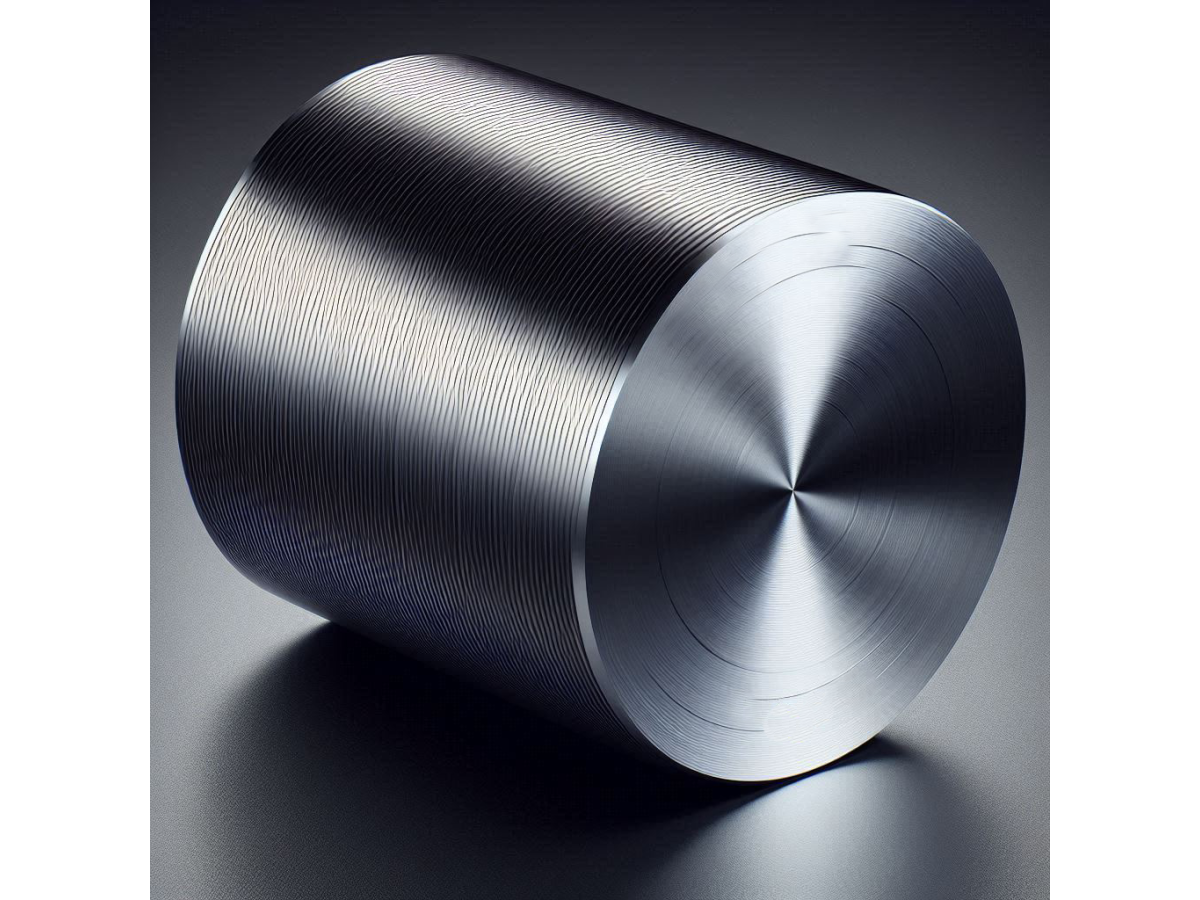
In modern mechanical engineering, there are a huge variety of technological methods for obtaining the final parameters of finished products. Turning on metal-cutting machines has remained one of the most common for many decades. The starting material for preparing blanks is most often chosen calibrated steel circle. This is due to a number of reasons:
- low cost;
- almost perfect symmetry;
- the least loaded cutting modes in comparison with analogues.
Comparison with analogues will allow you to understand the difference.
Comparison of a calibrated steel wheel and analogues used in turning operations
Other types of ferrous rolled metal, similar in geometric shape, but significantly different in chemical composition from the calibrated steel circle, are also used as the starting material for turning operations. Despite the fact that their share in the total mass of parts produced by the engineering industry is small, they are still better for solving some problems, and sometimes they are simply irreplaceable, so it is worth writing a few words about them.
Stainless steel circle
Strict standards for food products directly affect the requirements for equipment for their production. The vast majority of components and assemblies must not only themselves consist of elements that are completely harmless to human health, but also must not allow the formation of toxic substances or simply polluting the final product during chemical reactions. These requests are fully satisfied stainless steel circle, very widely used along with other rolled stainless steel for the manufacture of individual parts of workshop lines of various food industry enterprises. The vast majority of parts made from it undergo preliminary turning on metal-cutting machines, and sometimes this operation is the only one and no others are required to obtain the final shape and size.
Unlike calibrated steel, a stainless steel wheel is much more difficult to produce into a finished product due to the presence of alloying additives in the feedstock. They give remarkable results in combating unwanted chemical redox reactions, but they significantly complicate the process of cutting metal. It is worth dwelling on these problems in more detail:
- Chromium, which is included in the chemical composition, is the hardest metal existing in nature. Conventional carbon steel cutters are not able to cope effectively with it and quickly become dull or fail completely. It is necessary to use more complex and expensive analogs with carbide or ceramic soldering, for example based on tungsten carbide, which give much better results.
- Nickel added to increase heat resistance prevents heat removal, which leads to intense heating of the working area. The introduction of cooling emulsions into it leads to additional costs and does not completely solve the problem, therefore it is often necessary to reduce the speed of rotation and feed of the workpiece, which reduces the pace and productivity of work.
- Uncalibrated hot-rolled products create problems at the initial stage due to their non-perfectly round cross-section. An imbalance in the distribution of masses causes machine-destroying beatings created by centrifugal force, so preliminary roughing at low speeds is required.
In addition, this material is noticeably more expensive, so the feasibility of its use directly depends on the need for it imposed by the requirements.
Calibrated steel hexagon
Any mechanism assembled from parts is unthinkable without the use of simple and reliable fasteners. For the manufacture of the most common of them, bolts and nuts, the most convenient source material, after many years of research, was recognized by engineers as calibrated steel hexagon. Despite the rather significant costs of electricity and metal waste going into chips, the hexagonal shape of the heads turned out to be so convenient in practice that it becomes profitable to make such sacrifices to obtain it.
Tool steel circle
For the manufacture of working attachments for many devices, for example, the peak of jackhammers, the starting material turned out to be ideal in terms of price and technical characteristics of tool steel circle. In addition to turning, for the production of some hand tools and functional parts of machine tools, other specific operations are performed on it to refine it to the required geometric shape.