

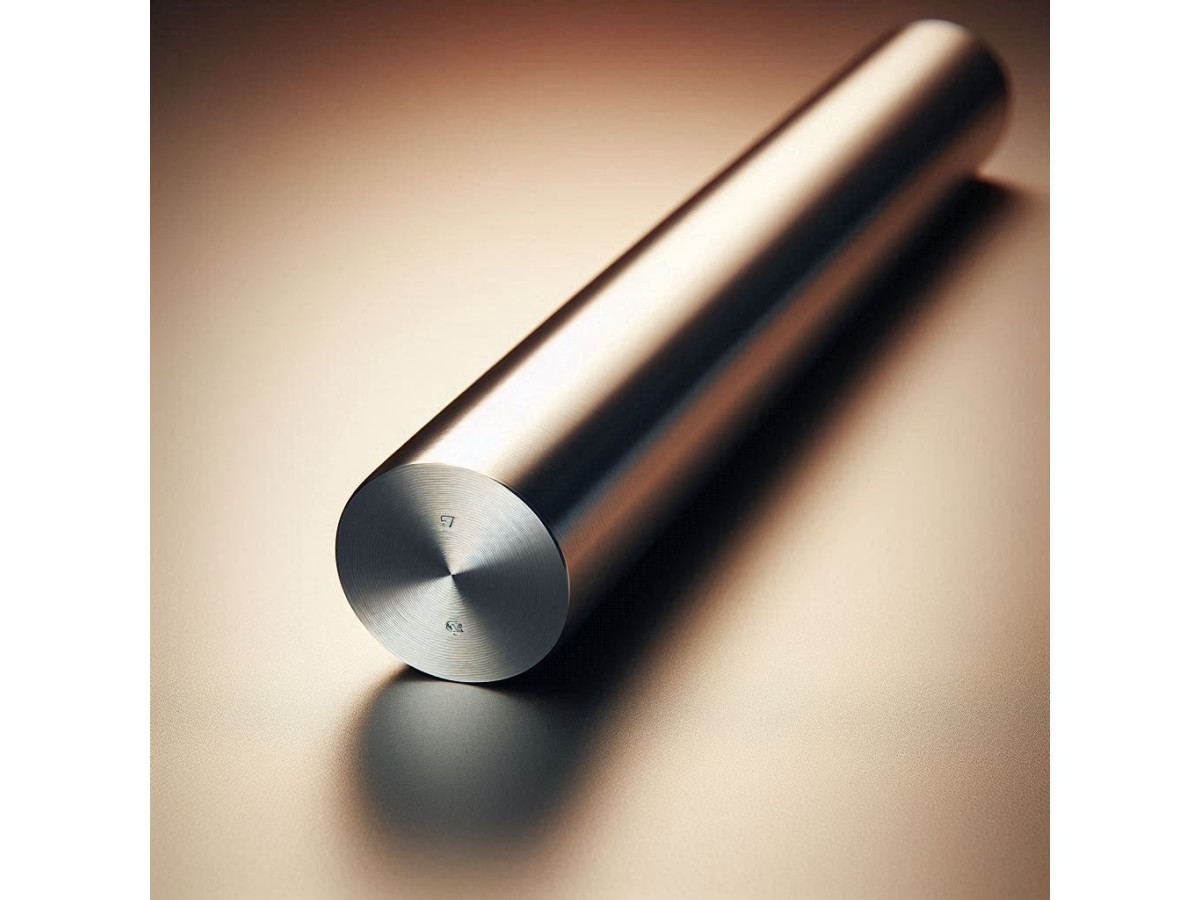
Humanity began using metals in its economic activities in ancient times, primarily for the manufacture of weapons and tools. However, for many millennia, only two technologies for their processing were known. The older method is directly related to the method of obtaining metals from ore in a liquid state by heating them in red-hot coals. Today, it is called foundry, in which the molten metal is poured into molds made of various materials. Pieces of metal were also long shaped to the desired shape by striking them with heavy objects, which were gradually refined, and heating in furnaces or kilns was used to increase the ductility of the blank itself. This technology, called blacksmithing, is no longer in demand on an industrial scale, but it occupies a niche in the creation of artistically valuable decorative objects, fences, gates, and iron stairs. The largest proportion of components are currently produced using various metalworking methods, the oldest of which is perhaps turning. Metal lathes are fundamentally no different from those that existed for turning wooden figures and fixtures long ago, and therefore, their operating principles and characteristics were well understood by engineers of the last century. However, the foot-operated drive had to be replaced by an electric drive, or an internal combustion engine or turbine, to generate sufficient power to rotate the shaft with the chuck at the angular velocity necessary for smooth chip removal. In the century and a half since the first examples were built, not only the machine tools but also the materials used for manufacturing the parts have undergone improvement. Today, the primary raw material for producing blanks for them is found in the product range of all metallurgical plants without exception calibrated steel circle, classified as a typical representative of the ferrous rolled metal group.
Why is a calibrated steel circle in demand?
Calibrated steel round bars are in high demand in mechanical engineering due to their many practical and economically beneficial properties. Here are the most important:
- The raw material used for production is inexpensive structural steel, and the manufacturing methods used to produce finished products are characterized by low energy consumption. Consequently, the cost of this type of black rolled steel is low, making it a readily available and cost-effective material for producing blanks for future components.
- High precision symmetry relative to the central axis allows for high-speed machining immediately from the machine start-up without the risk of causing it to become inoperable due to damage to bearing assemblies caused by centrifugal force-induced beatings due to mass imbalances.
- Even the remaining unmachined sections have a geometric cross-section of a smooth and coaxial circle, thus fully satisfying the requirements outlined in the drawings. This allows, with the correct selection of the rolled diameter, to save some energy lost in the metal chips, as well as extend the service life of the cutters and the machine itself.
When increased demands are placed on parts, there may be a need for analogues with improved characteristics, which are discussed separately.
Tool steel circle
As the name suggests tool steel circle Suitable for turning or otherwise producing working parts for hand, pneumatic, and power tools. It has high hardness and is difficult to machine, but can be thermally modified to change its technical characteristics within a wide range.
Stainless steel round bar 08Х18Н10/12Х18Н10Т (AISI304, AISI321)
Regular ferrous rolled metal is unstable even to basic corrosion, let alone stronger oxidizing agents. If parts are to be used in aggressive environments, a better choice is stainless steel circle 08Х18Н10/12Х18Н10Т (AISI304, AISI321), which, due to the formation of a thin film of very inert chromium oxide on the surface, is reliably protected from the external influence of even strong acids, and the addition of nickel to the melt significantly expands the temperature range for operation in both directions.