Return guaranteeFree exchange/return of goods within - 1 day
Official warranty from the manufacturer - 12 monthsPaymentCash, Visa/MasterCard, payment via Privat24, non-cash settlement
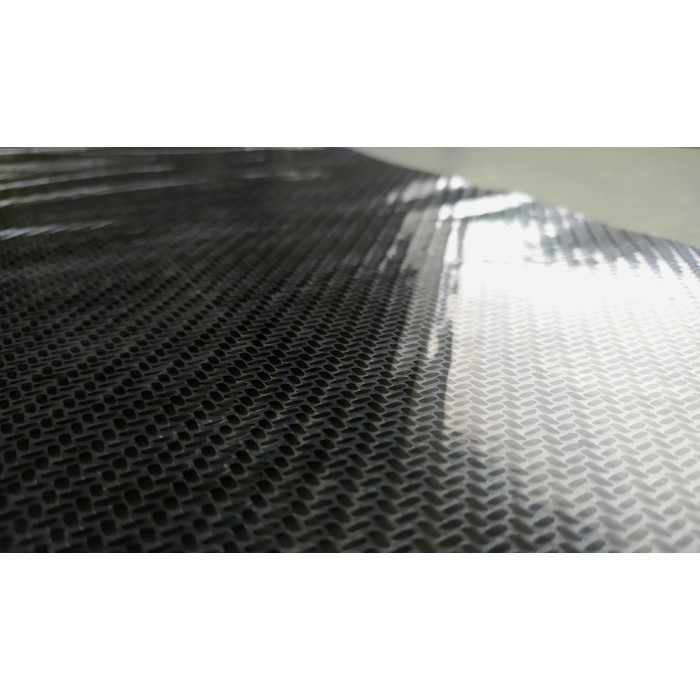
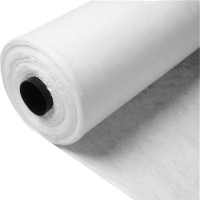
Prepreg made of carbon fabric PR 12К 1000 400 is a composite materials with a fibrous core pre-impregnated with a binding polymer. Aramid, glass, or carbon fiber are most often used as the reinforcing layer, while polyester, epoxy, or other resins act as the binder. Prepregs are supplied semi-cured, facilitating molding, cutting, and storage of parts. After layup, the material undergoes heat treatment under pressure, resulting in a lightweight and durable structure and final curing. Prepregs are widely used in the production of sports equipment, shipbuilding, automotive, and aviation.
The main thing
View by manufacturing method
Prepreg is produced by impregnating the reinforcing fiber with a polymer binder, followed by partial curing. First, a fiber base—carbon, glass, or aramid fabric—is prepared. A resin (usually epoxy) is prepared separately, along with hardeners and modifiers. The material then passes through an impregnation unit: the binder is evenly applied to the fiber using hot impregnation or solvents. After this, the prepreg enters a drying chamber, where the solvents are removed and partial curing occurs (B-stage). The resin becomes tacky but still flexible. The finished prepreg is cooled, wound into rolls, and stored at a low temperature until molding and final heat treatment under pressure.
Chemical composition
The chemical composition of a prepreg depends on the type of binder and reinforcing fiber, but generally consists of two main components: a fiber base and a polymer matrix. Reinforcing component: carbon fiber (polyacrylonitrile or pitch-based), glass fiber (calcium, aluminum, and boron silicates), and aramid fiber (para-aramids). Binder (matrix): most often epoxy resins (bisphenol A diglycidyl ether), hardeners (amines, anhydrides), reaction accelerators, impact modifiers, plasticizers, and stabilizers.
Type by purpose
Prepreg is used in applications where high strength, low weight, and precise geometry are essential: Aviation and space – fuselage components, wings, panels, and skins for aircraft, satellites, and rockets. Automotive – body panels, chassis components, and components for sports and racing cars. Shipbuilding – yacht hulls, masts, and lightweight and durable structural components. Wind energy – wind turbine blades. Sports equipment – bicycle frames, hockey sticks, tennis rackets, skis, and snowboards. Construction and industry – structural reinforcement, panel production, and composite profiles.
A type
Prepreg made of carbon fabric
Dimensions (width, length)
1000 mm
Additional services
Cutting is carried out according to the client's order and packaging of products according to the client's orderSent by any carriers in Ukraine.
The country of manufacture
China
No questions about this product, be the first and ask your question.