View by manufacturing method
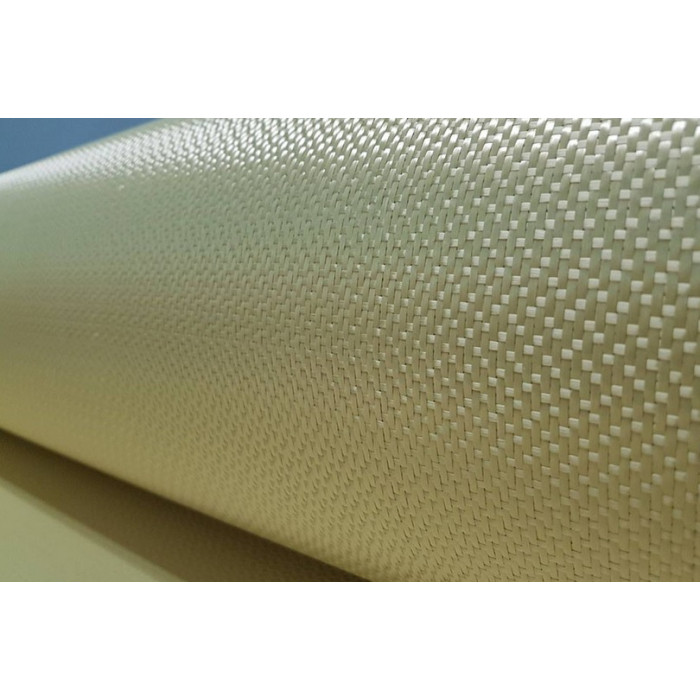
It is made from synthetic aramid fibers and involves several key steps. First, the polymer—polyparaphenylene terephthalamide—is chemically synthesized by reacting an aromatic diamine with terephthalic acid chloride. The resulting polymer is dissolved in concentrated sulfuric acid, forming a spinning solution. The fibers are then spun using a wet or dry-wet spinning method through spinnerets. They are then washed, neutralized, and drawn to orient the molecular chains, which imparts high strength. The resulting filaments are spun into yarn, which is then woven on looms into the desired weave.
Chemical composition
The chemical composition of Kevlar fabric is based on the synthetic aramid polymer polyparaphenylene terephthalamide (PPTA, PPTA). This is an organic compound related to aromatic polyamides. Aromatic benzene rings and amide groups form a rigid linear structure with strong intermolecular hydrogen bonds.
Type by purpose
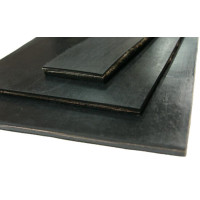
Main areas of application: Personal protective equipment: body armor, helmets, shields, protective inserts, gloves, cut- and puncture-resistant clothing. Industrial: reinforcement of rubber products, conveyor belts, straps, hoses, and gaskets. Aviation and astronautics: composite structural elements, panels, paneling, noise and vibration insulation. Automotive and motorsports: reinforcement of body parts, brake pads, and protective equipment. Shipbuilding: ropes, cables, hull components, and protective coatings. Construction: structural reinforcement, anti-seismic and protective materials.
Dimensions (width, length)
Roll width 1000 mm
Additional services
Cutting is carried out according to the client's order and packaging of products according to the client's orderSent by any carriers in Ukraine.
The country of manufacture
Italy