View by manufacturing method
The master alloy is produced metallurgically by fusing a base with alloying elements. Aluminum, copper, nickel, or iron are used as the base. The metal is loaded into a smelting furnace (induction, arc, or gas), melted, and alloying elements are added in precisely calculated proportions at a predetermined temperature. Fluxes and protective environments are used to improve the absorption of the elements. Once a homogeneous melt is obtained, it is refined to remove non-metallic inclusions and cast into ingots, rods, or granules. The master alloy is then cooled, crushed if necessary, and packaged for subsequent use in alloy production.
Chemical composition
The composition typically includes a base metal—aluminum, copper, nickel, or iron—and one or more alloying elements in elevated concentrations. For example, aluminum master alloys may contain titanium (Al–Ti), boron (Al–B), silicon (Al–Si), manganese (Al–Mn), or zirconium (Al–Zr). Copper master alloys include phosphorus, beryllium, chromium, or nickel. Steel master alloys use manganese, silicon, chromium, molybdenum, vanadium, and niobium. Additionally, minor impurities of iron, carbon, and oxygen may be present within acceptable limits.
Type by purpose
It is used primarily in metallurgy and foundries to alloy molten metals and alloys. It is widely used in steel smelting to introduce manganese, silicon, chromium, and other elements that improve strength, hardness, and corrosion resistance. In the aluminum industry, master alloys are used to produce aluminum alloys with titanium, boron, silicon, and magnesium. In non-ferrous metallurgy, master alloys are used in the production of copper, nickel, and magnesium alloys. They are also in demand in mechanical engineering, the aviation and automotive industries, power generation, and instrument making.
A type
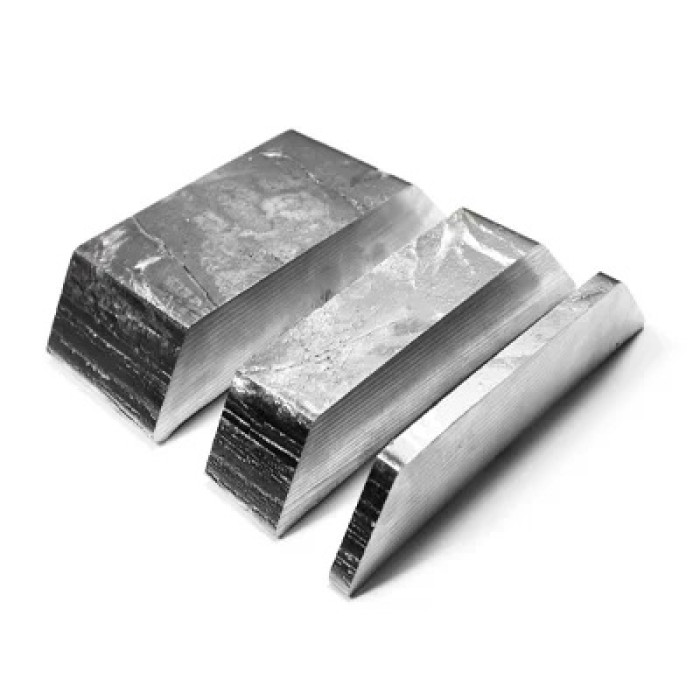
Vanadium-aluminum-manganese-titanium-carbon ligature
The country of manufacture
Ukraine