


sterzhen-200x200.jpg "Plexiglas (acrylic) rod")
sterzhen-228x228.jpg "Acrylic (plexiglass) rod (d 3-60 mm) dl. 2 meters")
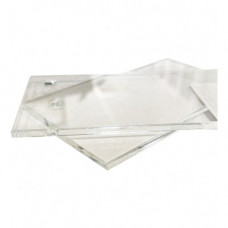
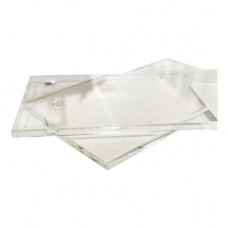
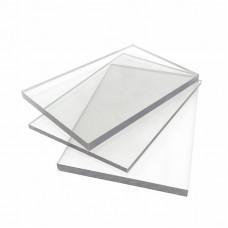
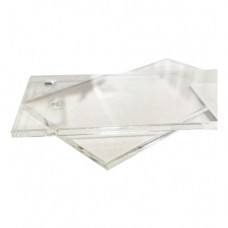
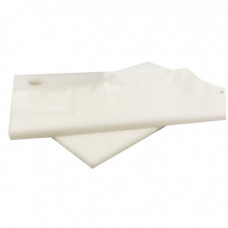

Acrylic Plexiglas in Ukraine
Acrylic organic glass or polymethyl methacrylate is a transparent thermoplastic polymer, which finds the use in the most diverse industries and everyday life due to its unique characteristics. This is a transparent, quite strong, easy to process material that is resistant to external factors, so that various products can be created from it.
Distinctive features of products
Acrylic organic glass is produced in various forms, which expands the possibilities of its application:
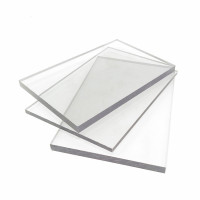
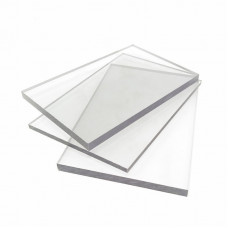
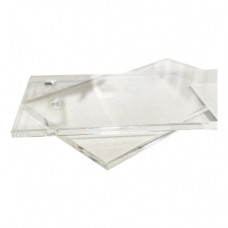
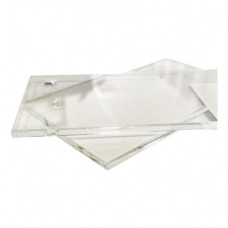
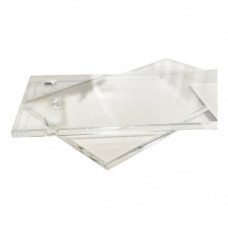
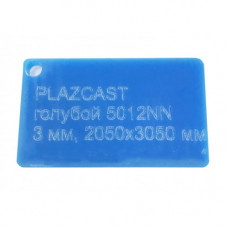
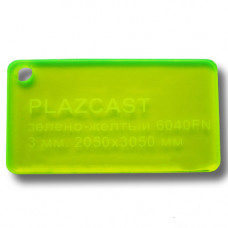
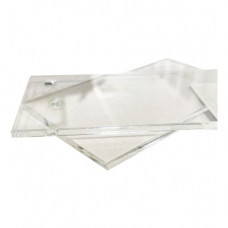
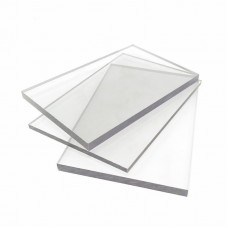
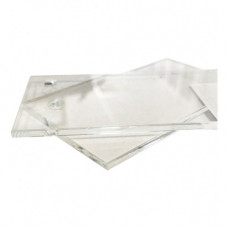
- Sheets. The most common form. Acrylic sheets can be of various thicknesses, size and color.
- Rods. Acrylic rods are used to create various decorative elements.
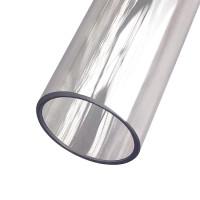
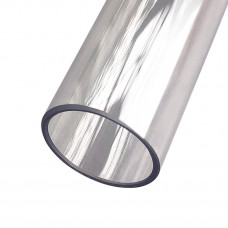
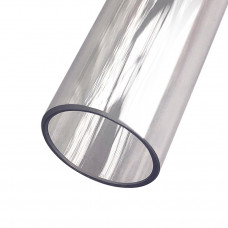
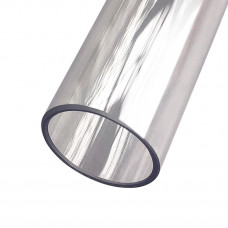
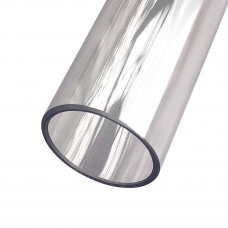
- Tubes. Acrylic tubes are used in the production of lighting devices, furniture, etc.
The material misses up to 92% of the visible light, which makes it an excellent alternative to glass. It is several times stronger than glass, resistant to shocks and scratches. When heated, it can take a complex shape. Orgage is a good dielectric, easily lends itself to cutting, drilling, polishing and gluing.
Advantages of choice
Acrylic glass is less fragile than ordinary glass. When broken down, it crumbles into large fragments with stupid edges, which reduces the risk of injuries. Acrylic glass is easily processed with various tools, so that products of any complexity can be created from it. The material is available in various colors and with different textures, so you can create original design products.
Where is the plexiglass used?
Acrylic organusils finding application in various fields thanks to its unique qualities:
- Construction and architecture. Acryl is used as a substitute for glass windows, partitions, facades and windows. Its low weight and strength characteristics make it suitable for creating transparent structures and stained glasses.
- Advertising and signs. Due to its transparency and lightness, it is often used to produce advertising shields, tablets, signs and highlights. Acrylic panels provide the brightness and clarity of images and texts.
- Lighting. The material is used in lighting systems to create lighting panels and lamps. Its excellent light transmission contributes to the uniform distribution of ultraviolet radiation.
- Medicine. In medical and laboratory conditions, acrylic is used to create various protective screens, tables and equipment due to its chemical resistance and ease of care.
Acrylic organic glass has high durability, and with proper use, its service life can be from 10 to 30 years. This material is resistant to ultravioletus and atmospheric influences. This means that such products are suitable for use both inside and out of the rooms.
Buy plexiglas in Ukraine
We offer acrylic organic glass in various forms and sizes, including sheets and tubes, which allows you to choose the best option for your project. All products are certified and complies with international standards, so you can be sure of the durability and reliability of the material. We offer competitive prices for acrylic organic glass, providing an excellent balance between value and quality.
Specialists of Ukrstarline are ready to help customers with a choice, provide recommendations for use and provide quick delivery. Buying an acrylic outflow in our store is a simple and convenient process. You can place an order online and we will deliver your product directly to the door.
Questions & Answers
Acrylic tubes are made from: Perspex: Frost, Spectrum, XT, Cast; ACRYLITE: Resist, SatinIce, GP, FF; Altuglas: ShieldUp, HT121, CN, V825T; PLEXIGLAS: Resist, Satinice, GS, XT.
Acrylic sheets are made from: Limacryl, Setacryl, Altuglas, Perspex, and Plexiglas.
Acrylic rods are made from: Sumipex LG, ACRYLITE M30, Altuglas V825T, PLEXIGLAS: 8N, 7N, 6N, Polycasa Acrylic, Setacryl, Deglas, Acryrex, Plazcryl, Acrylux, Sumipex, Altuglas, Perspex, and ACRYLITE.
International standards for acrylic tubing:
DIN 16857 is the European standard for acrylic tubing and rods. This standard covers marking, testing methods, thermal, mechanical, and optical properties, appearance, dimensions, material, quality control, temperature resistance, surface quality, tolerances, and tubing geometry.
ASTM D4802 is a standard specification for acrylic polymethyl methacrylate sheets. This American standard is used to evaluate the quality of acrylic tubes, profiles, and rods. It establishes requirements for surface quality, tensile strength, chemical resistance, application range, impact strength, heat distortion temperature, thermal stability, water absorption, light transmittance, and material classification.
International standards for acrylic sheets:
DIN 16957:1985-06 - a standard establishing technical delivery conditions for cast polymethyl methacrylate sheets. This standard specifies mechanical characteristics, optical properties, dimensions, appearance, acceptance, marking, test methods, thermal characteristics, physical properties, geometric parameters, material, and application areas of the sheets.
ASTM D788 - a standard establishing requirements for cast acrylic sheets produced using polymethyl methacrylate. It establishes uniform technical requirements for cast acrylic sheets ensuring consistent mechanical and optical properties. This document covers aspects such as weather resistance, dimensions, impact resistance, tolerances, transparency, and surface finish. This document defines the technical characteristics, test methods, and quality parameters of the material for decorative applications, signage, and glazing.
GOST standards for acrylic sheets:
GOST 17622–72 - Technical plexiglass. This standard defines the technical requirements for plexiglass used as a glass substitute in various industries. It covers physical and mechanical properties, quality standards, dimensions, transparency requirements, testing methods, and grades of plexiglass.
GOST 10667 - Standard defining technical requirements for plexiglass sheets. It is used as a basic document for the manufacture and design of components requiring strength and optical clarity. This document regulates transportation and storage rules, physical and mechanical properties, dimensions, material characteristics, testing methods, and marking.
International standards for acrylic rods:
ASTM D4802 - Specifications for rods and tubes made of polymethyl methacrylate and acrylic plastic. The standard specifies surface quality, diameter tolerances, heat resistance, tensile strength, surface and material classification, physical and mechanical properties, weather resistance, and rod appearance requirements.
DIN 16857 is a German standard for acrylic glass products used for acrylic rods, tubes, and sheets. It regulates marking rules, test methods, mechanical properties, transparency, surface quality, ovality, straightness, rod dimensions, and tolerances.
ISO 7823 is an international standard defining requirements for polymethyl methacrylate and acrylic glass products. The standard covers test methods, material types, dimensions, quality control procedures, water absorption, physical and mechanical properties, rod surface tolerances, and rod surface requirements.
Acrylic tube weight chart
| Outer diameter, mm | Wall thickness, mm | Weight of 1 m, kg |
| 20 | 2 | 0,13 |
| 25 | 2 | 0,17 |
| 30 | 2 | 0,2 |
| 40 | 3 | 0,41 |
| 50 | 3 | 0,52 |
| 60 | 3 | 0,64 |
| 80 | 4 | 1,13 |
| 100 | 4 | 1,43 |
Acrylic tube size chart
| Outer diameter, mm | Inner diameter, mm | Wall thickness, mm |
| 10 | 8 | 1 |
| 12 | 10 | 1 |
| 15 | 13 | 1 |
| 18 | 14 | 2 |
| 20 | 16 | 2 |
| 25 | 21 | 2 |
| 30 | 26 | 2 |
| 40 | 34 | 3 |
| 50 | 44 | 3 |
| 60 | 54 | 3 |
| 80 | 72 | 4 |
| 100 | 92 | 4 |
Acrylic Tube Types Chart
| Tube type | Designation | Manufacturing method | Main Features |
| Cast | GS | Casting | High transparency, durability |
| Extruded | XT | Extrusion | Low cost, high dimensional accuracy |
| Shockproof | Impact PMMA | Modified PMMA | Increased impact resistance |
| Optical | Optical PMMA | Special production | Minimal light distortion |
| Lighting engineering | LED PMMA | Special production | High light transmittance |
| Matte | Frosted PMMA | Injection molding or extrusion | Light scattering |
| Colored | Colored PMMA | With the addition of dyes | Decorative use |
Table of physical properties of acrylic tubes
| Indicator | Meaning |
| Density | 1,18–1,20 g/cm³ |
| Tensile strength | 65–80 MPa |
| Modulus of elasticity | 2400–3300 MPa |
| Impact toughness | 10–20 kJ/m² |
| Water absorption | 0,2–0,4 % |
| Rockwell hardness | M90–M105 |
| Light transmission | to 93 % |
Acrylic sheet weight chart
| Thickness | Weight of 1 m² |
| 1 mm | 1.19 kg |
| 2 mm | 2.38 kg |
| 3 mm | 3.57 kg |
| 4 mm | 4.76 kg |
| 5 mm | 5.95 kg |
| 6 mm | 7.14 kg |
| 8 mm | 9.52 kg |
| 10 mm | 11.9 kg |
| 12 mm | 14.28 kg |
| 15 mm | 17.85 kg |
| 20 mm | 23.8 kg |
Acrylic Sheet Size Chart
| Sheet format | Size |
| Small | 1000 × 500 mm |
| Average | 1250 × 2050 mm |
| Standard | 2050 × 3050 mm |
| European | 2030 × 3050 mm |
| Large industrial | 2050 × 4050 mm |
Thickness tolerance chart for cast acrylic
| Nominal thickness, mm | Tolerance, mm |
| 2 | ±0,4 |
| 3 | ±0,5 |
| 4 | ±0,6 |
| 5 | ±0,7 |
| 6 | ±0,8 |
| 8 | ±1,0 |
| 10 | ±1,2 |
| 15 | ±1,8 |
| 20 | ±2,3 |
| 25 | ±2,8 |
Acrylic sheet characteristics table
| Parameter | Meaning |
| Material | Polymethyl methacrylate (PMMA) |
| Density | 1.18–1.20 g/cm³ |
| Light transmittance (transparent sheet) | up to 92% |
| Modulus of elasticity | 3000–3300 MPa |
| Tensile strength | 65–80 MPa |
| Elongation at break | 3–8 % |
| Impact strength | 10–20 kJ/m² |
| Rockwell hardness | M90–M105 |
| Water absorption (24 h) | 0,2–0,4 % |
| Refractive index | 1,49 |
| Operating temperature | from −40 to +80 °C |
| Vicat softening point | 95–115 °C |
Acrylic rod weight chart
| Diameter, mm | Weight of 1 m, kg |
| 5 | 0,023 |
| 10 | 0,093 |
| 15 | 0,21 |
| 20 | 0,374 |
| 25 | 0,584 |
| 30 | 0,841 |
| 40 | 1,495 |
| 50 | 2,337 |
| 60 | 3,365 |
| 75 | 5,258 |
| 100 | 9,346 |
| 150 | 21,028 |
| 200 | 37,384 |
Table of physical and mechanical properties of acrylic rods
| Parameter | Meaning |
| Density | 1,18–1,20 g/cm³ |
| Rockwell hardness | M90–M105 |
| Tensile strength | 60–75 MPa |
| Bending strength | 90–120 MPa |
| Modulus of elasticity | 2400–3300 MPa |
| Relative elongation | 2–10 % |
| Water absorption | 0,2–0,4 % |
| Light transmission | to 92 % |
Table of acrylic rod diameters
| Diameter, mm | Type of application |
| 2 | Modeling |
| 3 | Advertising |
| 4 | Decor |
| 5 | Crafts |
| 6 | Lighting elements |
| 8 | Displays |
| 10 | Constructions |
| 12 | Mechanical engineering |
| 15 | Supports |
| 20 | Technical products |
| 25 | Furniture |
| 30 | Decorative columns |
| 40 | Industry |
| 50 | Machine equipment |
| 75 | Architectural elements |
| 100 | Large structures |
| 150 | Special products |
| 200 | Engineering projects |
Thermal performance table for acrylic rods
| Parameter | Meaning |
| Operating temperature | −40…+80 °C |
| Vicat softening point | 95–115 °C |
| Forming temperature | 140–180 °C |
| Melting point | 160–200 °C |
| Coefficient of linear expansion | 6–8×10⁻⁵ 1/°C |
| Thermal conductivity | 0,18–0,25 Wt/(m·K) |